Think of the past three to six months, not a single bad day, and choose how true each statement is for you. It takes about three minutes. Your answers stay in your browser: nothing is stored or sent.
Your result
Your health comes first. You said your health is suffering. Please talk to your doctor, whatever you decide about your job. That is not an overreaction: it protects you, and it creates a record that may matter later. If you ever feel that you cannot go on, contact a crisis line or emergency services in your country right away.
Your answers show a high cost and little chance that things will change. You have probably tried more than most people would. Staying longer is unlikely to bring a different result, and the price is being paid by your health and your sense of who you are. That does not mean resigning tomorrow. It means planning your way out, deliberately and on your terms.
Your next steps
- Start looking while you still have your job. It keeps your options and your negotiating position open.
- Keep your records safe outside the company. The Incident Log shows you how.
- Before you resign, find out your notice period, remaining leave, bonus and any claims. Read how to get through your notice period.
- Set a date by which you want to have a concrete next step, and tell one person you trust.
The situation is costing you a lot, but your answers suggest that change is still possible: you have not exhausted your options yet, or the organization may still act. That can justify staying for a while. The risk is that "for a while" quietly turns into years. Staying is only a real choice if it has conditions and an end date.
Your next steps
- Write down what would have to change for you to stay, and by when. Three months is a reasonable horizon.
- Use the channels you have not tried yet: a documented conversation, HR, a works council, a senior leader who knows your work.
- Keep a record of what happens from now on, so that you can judge progress by facts rather than by hope.
- Prepare an exit plan in parallel. If the deadline passes without change, you will not have to start from zero.
You are coping for now, but your answers suggest that the situation is unlikely to improve. That gives you something valuable: time. You can look for a better place calmly, before the cost grows. People who leave from a position of strength usually choose better than people who leave on their worst day.
Your next steps
- Update your CV and profiles, and get back in touch with former colleagues and managers who valued your work.
- Be clear about what you want next and what you would not accept again. A toxic experience is a good teacher here.
- Watch your own warning signs. If your health or mood starts to change, the timetable changes too.
- Check whether the problem is one person or the culture. It decides whether an internal move can help.
Your answers suggest that the cost is still limited and that the situation can change. That is a reasonable basis for staying. Use the time well: protect yourself, keep an eye on the pattern, and decide consciously rather than drift. A decision to stay is only good as long as the reasons for it still hold.
Your next steps
- Set boundaries early and say clearly what you need. Small adjustments are easier now than after months of strain.
- Keep simple notes about difficult incidents. If things get worse, you will have facts rather than impressions.
- Look at the behavior with the Manipulation Behavior Checklist to see whether a pattern is forming.
- Take this self-check again in three months and compare.
An internal move could be a real option
You see other places in this organization, and the problem seems to be one person rather than the whole culture. Before you move, ask honestly: is the new place genuinely different, or just further away? Could your current boss still reach you there?
Moving inside may not be far enough
You describe a culture that tolerates or rewards this behavior. A new team in the same organization often means the same rules with a different face. If you consider an internal move, look closely at who would be above you and how they treat people who disagree.
Name what you would miss
You value parts of this job. Write them down and ask, for each one, whether you could find it elsewhere. The list tells you what to look for next, and it makes the decision less of a leap into the unknown.
“Why should I be the one to leave?”
That voice has a point: it is unfair. But staying to prove it rarely changes the person who caused the problem, and the price is paid by you. Your health and your career are not a debate about fairness.
Build your exit plan before you need it
You are not yet well prepared for a move. That is common, and it is fixable: a financial cushion, an updated CV, a few conversations with your network. Preparing does not commit you to leaving. It means that if you decide to go, you can.
You are better prepared than you may feel
You have a cushion, an up-to-date profile and a clear idea of what you want. That puts you in a strong position, whatever you decide. Use it to choose, not just to escape.
This self-check cannot make the decision for you. Leaving a toxic job is not a defeat, and staying for good reasons is not a failure. What matters is that the decision is yours, and that you make it with a clear head rather than on the worst day of the month.
Before you resign, clarify your notice period, leave, bonus and any agreements you are asked to sign. If your departure is connected to how you were treated, a short conversation with an employment lawyer, a works council or a trade union can protect you from expensive mistakes.
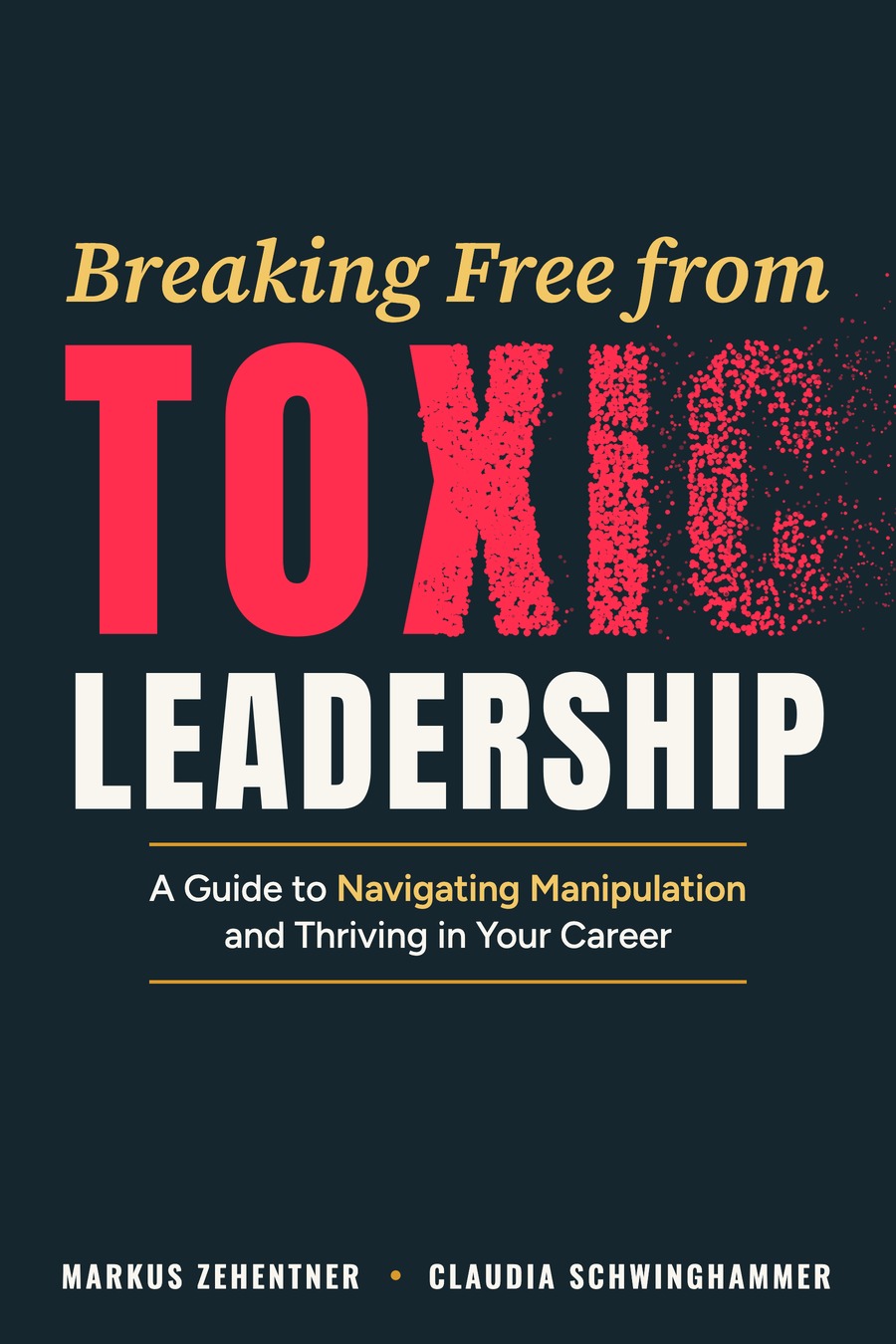
More on leaving and recovering in Breaking Free from Toxic Leadership. Have you made this decision yourself? Share your story and help other readers.
About this self-check. It is a reflection tool based on the Stay or Go worksheet in the 2nd edition of Breaking Free from Toxic Leadership. It is not a validated psychological test, and it is not legal, financial or medical advice. It cannot know your contract, your finances or your health. Use your result to think more clearly and to talk with someone you trust, not as an instruction.